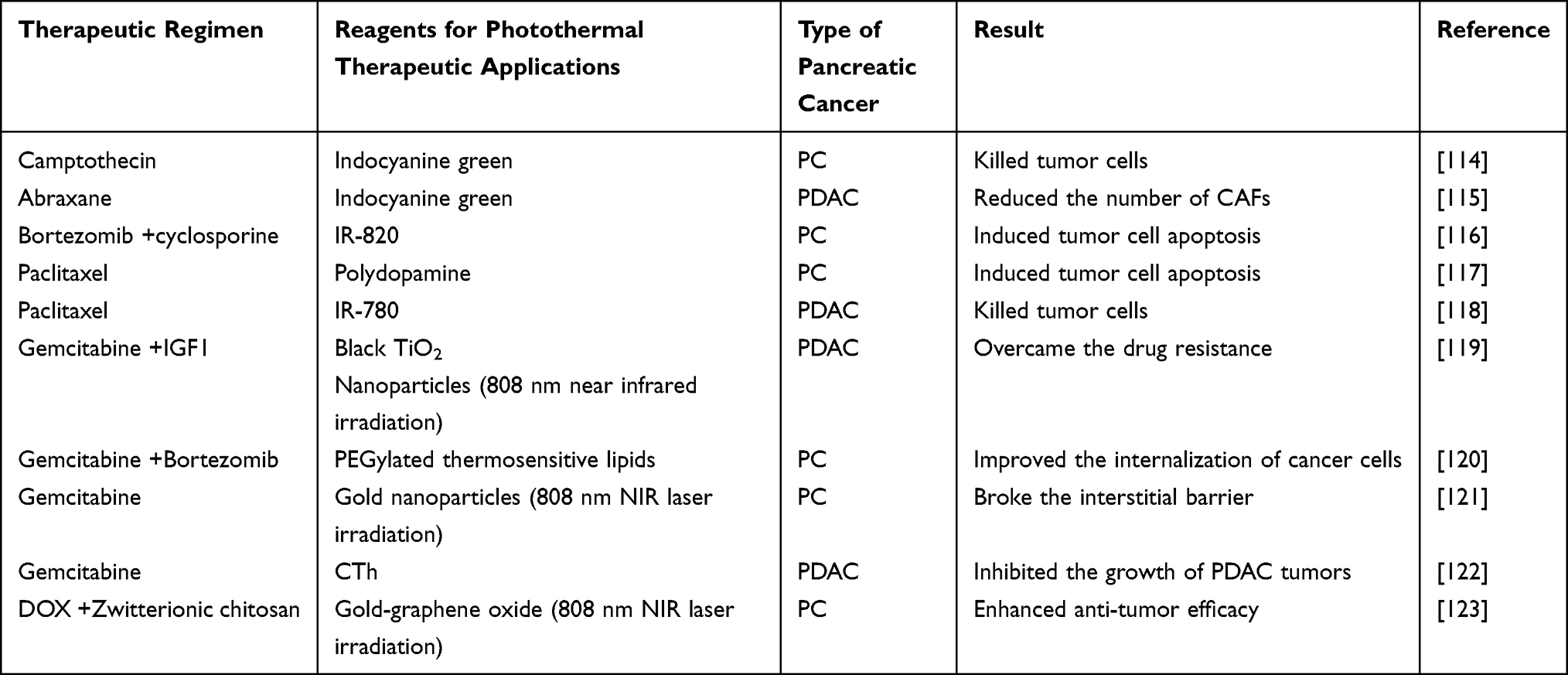
Researchers at Sichuan University in China have created a pioneering laser treatment that precisely targets and eliminates pancreatic ductal adenocarcinoma (PDAC) tumors while protecting nearby healthy tissue. This revolutionary technology utilizes a 6.1-micron laser to leverage the unique collagen signature found within PDAC tumors, ensuring accurate delivery of the laser energy straight to the tumor.
Recently sanctioned by the Chinese National Medical Products Administration, this therapy is set to be advanced by Hymson Laser Intelligent Equipment. It is specifically approved for adult patients with progressive advanced PDAC who are no longer candidates for surgery due to the disease’s advancement. Dr. Houkun Liang, the lead author of the study, highlighted the distinctiveness of their method, stating, “Our technology, for the first time, uses the tumor’s molecular signature to achieve selective ablation.”
**Results and Findings**
Preclinical trials conducted on human tissues and animal models demonstrated that a single laser ablation treatment could diminish tumor growth to only 18 percent of that seen in control specimens, while causing minimal collateral damage to surrounding healthy tissue. Early human trials involving 13 patients showed comparable selectivity, with ablation being consistently two to three times more effective on malignant tissue than on adjacent healthy areas. In addition, no adverse events were noted throughout these trials.
The laser detects tumors by identifying collagen fibers within the growth. Collagen, which absorbs the highest amount of light and energy at the 6.1-micron wavelength, allows the laser to produce a short femtosecond burst of energy upon identification, leading to intense localized heating and resulting in “explosive vaporization” of tumor tissue. Dr. Liang stated, “Selective ablation for PDAC signifies a significant technological advancement. By minimizing damage to healthy tissue, we aspire to enhance patient comfort, expedite recovery, and broaden access to effective treatment for those confronting this devastating cancer.”
**Future Prospects and Developments**
Looking forward, the research team intends to initiate broader clinical trials in China by early 2026, with ambitions to obtain approvals from international regulatory agencies by 2027. The laser therapy, guided by ultrasound, is designed to be deployed through a minimally invasive hollow-core fiber needle, allowing for precise application in challenging anatomical areas.
Despite notable advancements, several technical hurdles exist before widespread clinical usage can be achieved. The team is working on evaluating a more robust version of the technology to determine its feasibility in clinical circumstances. An enhanced hollow fiber delivery system is also in development to improve precision of the technique. Given the irregularities presented by PDAC tumors, a refined detection method is essential for ensuring total tumor eradication in one session.
Excitingly, there is potential to adapt this laser technology for other collagen-rich tumors, such as those located in the breast, colon, kidney, skin, and brain. As a highly aggressive cancer with a meager five-year survival rate of only 10 percent, pancreatic ductal adenocarcinoma could significantly benefit from such an efficacious and targeted treatment. The emergence of femtosecond laser technology could thus represent a crucial advancement in the battle against these daunting cancers.
Tumors have skillfully adapted to flourish within the human body, yet they may soon confront an unbeatable foe in the form of state-of-the-art laser therapy.