As a student of medicine, I have observed firsthand the toll that stress and cognitive strain can take on individuals, including patients and myself. During one particularly challenging exam period, a friend casually brought up L-theanine, a compound present in green tea, which allegedly aids in focus and tranquility. This piqued my interest: Is this merely marketing, or is there actual validity to it?
Thus, I investigated the research more thoroughly.
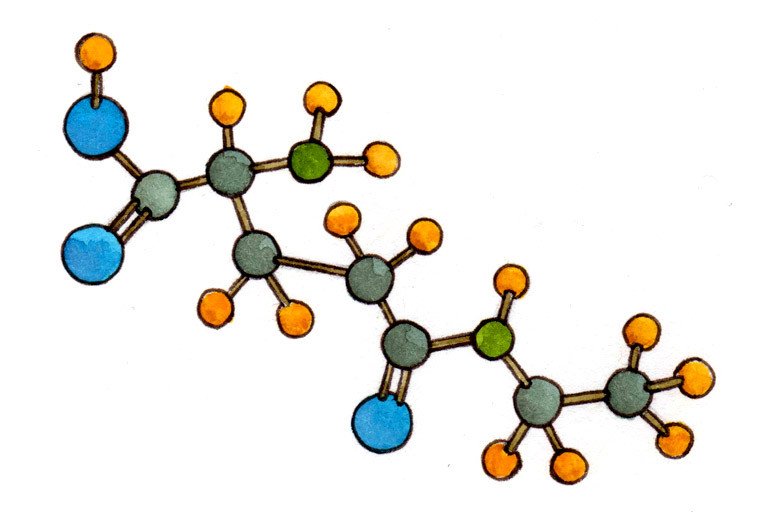
L-theanine is a non-protein amino acid primarily located in the leaves of the green tea plant, Camellia sinensis. It has been esteemed in Japan and China for its soothing attributes for a long time. Currently, it is readily available in capsule or tablet forms and promoted for its potential to alleviate stress, enhance cognitive function, and promote improved sleep. While a single cup of green tea contains merely 8 to 30 milligrams, supplements often provide 100 to 400 milligrams per day, as evidenced by one study.
L-theanine seems to impact various neurotransmitter systems. Research indicates that it functions as a glutamate reuptake inhibitor and a low-affinity glutamate receptor antagonist in the hippocampus, while also modulating GABA-A receptors. Such mechanisms may elucidate both its calming and neuroprotective qualities, according to a systematic review. Studies on brain waves further demonstrate that L-theanine heightens alpha wave activity, which is linked to relaxed yet alert mental states (similar to the patterns observed in individuals resting with eyes closed, as noted by researchers). These effects manifest as soon as 45 minutes after consumption and can persist for over an hour.
Clinical evidence backs its application for symptoms related to stress and minor cognitive enhancement. In a randomized, double-blind, placebo-controlled crossover trial, 30 healthy adults consumed 200 mg of L-theanine daily for a month. They observed noteworthy improvements in scores on the Self-Rating Depression Scale, State-Trait Anxiety Inventory, and the Pittsburgh Sleep Quality Index. The research also highlighted enhancements in verbal fluency and executive function, particularly among participants who began with lower initial scores.
Further studies have examined how L-theanine affects brain wave activity and attention. One study indicated that a 50 mg dose significantly boosted alpha brain wave activity in healthy subjects, with effects lasting over 105 minutes. This implies that L-theanine may foster a state of calm alertness rather than drowsiness (an optimal condition for tasks demanding prolonged focus). Other researchers noted enhancements in attention, reaction times, and working memory across various smaller trials, especially when L-theanine was administered alongside caffeine. In a minor study involving five males with ADHD, this combination also enhanced attention and cognitive composite scores.
The advisable dosage for cognitive and stress-related benefits is approximately 200 mg daily, which far exceeds what’s present in tea. It is also affordable, typically ranging from ten to twenty dollars each month. In the studies I analyzed, it was generally well tolerated, with no serious adverse happenings noted. Minor side effects like headache, fatigue, or gastrointestinal discomfort were uncommon. There are currently no well-documented interactions with other medications, though caution is recommended for individuals on sedatives, stimulants, or psychiatric drugs until more research is conducted. Pregnant individuals and those with severe psychiatric conditions should likely refrain from its use for the time being.
While L-theanine does not have sufficient evidence to supplant pharmacological treatment for generalized anxiety or ADHD, it could be a beneficial adjunct for mild to moderate cases, or for patients preferring non-drug alternatives. Behavioral treatments like cognitive behavioral therapy (CBT) yield excellent long-term results for anxiety and attention disorders, yet they can be difficult to access or slow to produce effects. L-theanine could provide a low-cost, low-risk substitute that bridges the gap for patients not yet prepared for prescribed treatments.
More research is essential to comprehend long-term outcomes, as most studies are brief and often involve limited sample sizes. Nonetheless, it may be that this supplement is most effective in the short term (a clarification that longer studies could provide).
Given the available information, L-theanine appears to be a safe and reasonable choice for individuals facing mild stress, cognitive exhaustion, or sleep disturbances. I would suggest it to patients seeking a non-pharmacological alternative, particularly those already interested in supplements or green tea. It isn’t a cure, but it might be sufficient to help someone feel a bit clearer and calmer in their daily routine.
Kamren Hall is a medical student.