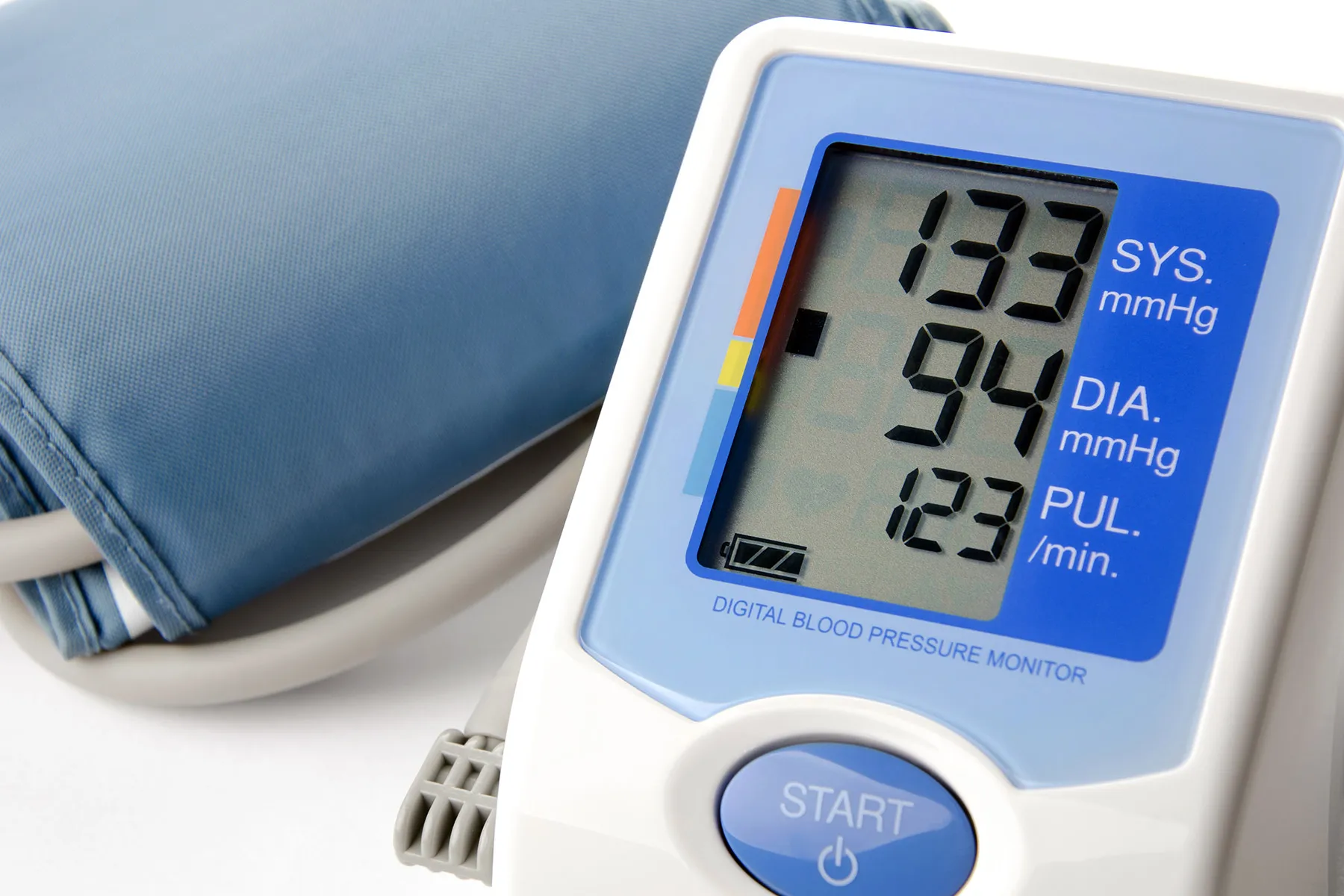
Three weeks after giving birth, you may have a sudden and severe headache along with impaired vision, prompting concerns about your well-being. You attempt to make a doctor’s appointment, but the earliest slot available is two weeks from now. Unknown to you, your blood pressure has surged to perilous levels, a hidden danger that frequently goes undetected.
The answer: a home blood pressure monitoring device priced between $69 and $169. However, insurance typically does not cover these costs in numerous states, as there is no mandate to do so. As a result, avoidable life-threatening conditions continue to persist.
**Scope of the Issue**
Hypertension impacts approximately one in three adults in the U.S., resulting in a staggering $131 billion yearly expense for healthcare services, medications, and lost productivity. The risks are elevated during pregnancy and the postpartum period. Around 10% of expectant mothers develop high blood pressure, a rate not seen in the past 25 years. Uncontrolled hypertension can lead to preeclampsia or eclampsia, culminating in strokes, heart attacks, or death—97% of which could be prevented. Home blood pressure monitoring has demonstrated effectiveness.
Boston Medical Center launched a remote monitoring initiative for postpartum care. In the past, only 13% of high-risk patients had their blood pressure assessed within a week following delivery. After distributing monitors, this figure increased to 79%, while the incidence of severe hypertension dropped from 18.4% to 5.9%. This highlights a stark contrast between assured postpartum care and possible dangers.
From an economic standpoint, remote monitoring is cost-effective in 99.28% of instances, costing just $145 to prevent a single hospital readmission, while hospitalization for preeclampsia can escalate to between $15,000 and $50,000.
The equity concern needs addressing. Black women experience maternal mortality rates that are three to four times higher than those of white women and receive less blood pressure monitoring. After the intervention, the monitoring rate for Black patients surged from 41% to 93%, bringing their care in line with that of white patients. Home monitoring eases obstacles such as transportation, childcare, work commitments, and clinic biases.
**National Progress and Outstanding Gaps**
At present, 42 states offer Medicaid coverage for home blood pressure monitors, with 25 also providing clinical support services such as training and education. States including Michigan and Georgia recognize these devices as essential. Nevertheless, gaps remain. Not all states have such policies; some limit monitor coverage to once every five years or require prior authorization, which can delay care. The inconsistency in state policies indicates the need for a nationwide adoption of best practices, starting with the implementation of basic policies in each state.
**Tackling Valid Concerns**
Concerns regarding the accuracy of home monitors can be addressed by restricting coverage to clinically validated devices. Non-validated monitors might fail to identify high blood pressure as much as 80% of the time. There are lists of approved devices designated for use during pregnancy.
Fears about patient compliance are misplaced: 93% of individuals who monitor at home provide readings, compared to just 33% attending in-person visits. Home monitoring fits better into patients’ schedules compared to clinic appointments and associated obligations.
Finally, single pharmacy blood pressure measurements provide limited information. Effective management requires multiple readings, professional evaluation, and follow-up care.
**The Road Ahead**
States should require full coverage for clinically validated devices at no charge. With 42 states already supporting this, the evidence for the effectiveness and cost-efficiency of this strategy is strong. The remaining question is one of political determination.
Policymakers must contemplate whether overlooking this critical issue is a viable option. The argument for universal coverage of home blood pressure monitors is solid: scientifically, economically, and socially. It signifies a vital investment in preserving lives, improving health equity, and enhancing the efficiency of the healthcare system. Every state legislature should act on this essential matter.