Most individuals presume that pain and illness stem solely from injury or medical conditions. If your back aches, it must be injured; abdominal discomfort must arise exclusively from inflammation, infection, or a tumor. Most doctors are taught this in medical school, just as I was. However, treatment based on this belief often fails to alleviate chronic pain, leaving millions of patients and numerous well-meaning doctors feeling frustrated and hopeless. Consequently, an astonishing 50 million Americans suffer from persistent pain.
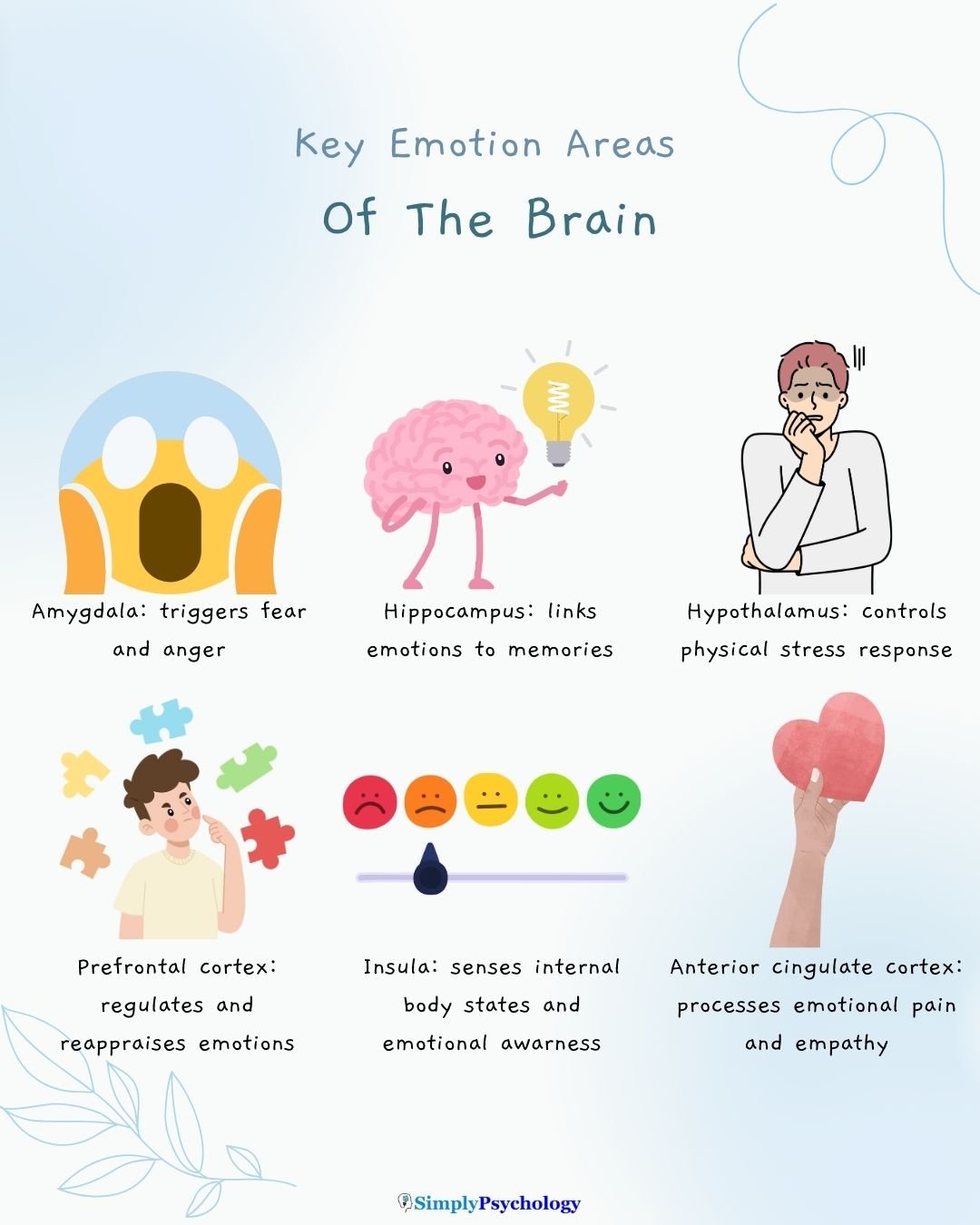
The reason behind this is that actual pain anywhere in the body can be produced by the brain, even in the absence of physical issues. Pain specialists assert that unprocessed emotional stress activates the nervous system, which then responds by generating pain as a warning signal.
Fortunately, a recent research study indicates that significant relief from non-structural musculoskeletal pain can be achieved through a new type of talk therapy known as emotional awareness and expression therapy (EAET). The effectiveness of EAET, which centers around stress, trauma, and emotions, might seem unexpected but is quite rational considering what new research reveals about the impact of emotions on physical pain. The findings of this new study corroborate several similar studies released in recent years.
I am thankful for having discovered these stress-related conditions from a perceptive psychiatrist at UCLA in the 1980s. In these patients, diagnostic assessments are either normal or reveal anomalies that do not cause the symptoms. According to the old model, this presents a puzzling medical enigma. However, the recent research aids in understanding how pain can arise without physical dysfunction, and how it can be treated.
A pertinent example is a 50-year-old patient of mine whom I will refer to as Ellen. At our first meeting, she implored me not to waste my time with her, and she had valid reasons for her sense of hopelessness. Sixty times over the last 15 years, episodes of severe dizziness, abdominal pain, and vomiting had landed her in a prestigious university hospital. Yet a dozen specialists, including a psychiatrist, failed to identify a cause. In cases like Ellen’s, a significant stress that remains largely unrecognized drives their brain-generated symptoms. While successfully treating thousands of such patients as a board-certified internist and gastroenterologist, I created a three-step diagnostic framework.
First, I explore the timeline of the symptoms concerning stressful life occurrences. Ellen’s illness initiated without an apparent reason. However, passing through one specific town 40 minutes from her home always provoked an episode. This was a crucial indication that these occurrences were associated with stress.
Next, it is vital to evaluate for depression, anxiety, and post-traumatic stress. Often these are concealed unless specific inquiries are made. Ellen showed none of these.
The third step is to uncover adverse childhood experiences (ACEs). These would evoke sadness or anger if they happened to a beloved child of the patient. This perspective is significant. Many individuals underestimate or suppress the seriousness of their ACEs. However, visualizing the same scenarios occurring to a child clarifies the emotional consequences, sometimes significantly.
Ellen’s mother verbally and emotionally mistreated her from the age of four until I met her. Managing ACEs can foster stressful personality traits in adults that frequently contribute to pain or illness. These traits include low self-worth, inadequate self-care abilities, excessive self-criticism, perfectionism, detrimental commitment to others’ needs, poor assertiveness, and many more. Ellen and her husband acknowledged she possessed several of these traits. Fortunately, all of them can transform with appropriate treatment.
Stress can also be instigated by individuals, events, or circumstances in the present that relate to ACEs. This connection can easily be overlooked if ACEs are not examined. In Ellen’s situation, she only passed through the town that triggered her illness while on her way to see her abusive mother. Traveling the same distance (or further) for different reasons never provoked symptoms. This insight led her husband to remember that the episodes at home followed phone conversations with her mother. Recognizing these connections enabled Ellen to establish firm boundaries with her mother, and the illness episodes ceased.
In the recent talk therapy study that supports this neuroplasticity-based method, one group of patients was treated with EAET. Similar to Ellen’s case, the emphasis was on stress, trauma, and emotions. An impressive 63 percent of participants met their pain relief objectives. The control group received the previously standard cognitive behavioral therapy, but only 17 percent reached the goal.
Ellen’s initial hopelessness mirrors that of millions who endure stress-related pain or illness and have been let down by an outdated paradigm that overlooks the significance of trauma and emotions. Fortunately, the new approach can be learned from textbooks and professional courses, educational conferences, and self-help materials for patients. The techniques are straightforward to implement when medical and mental health practitioners collaborate, and, as one general practitioner recently shared with me, “They put the joy back into my work.”
David Clarke is a physician specializing in internal medicine and gastroenterology.